
All videos are available on our YouTube channel. Below are our most popular ❤
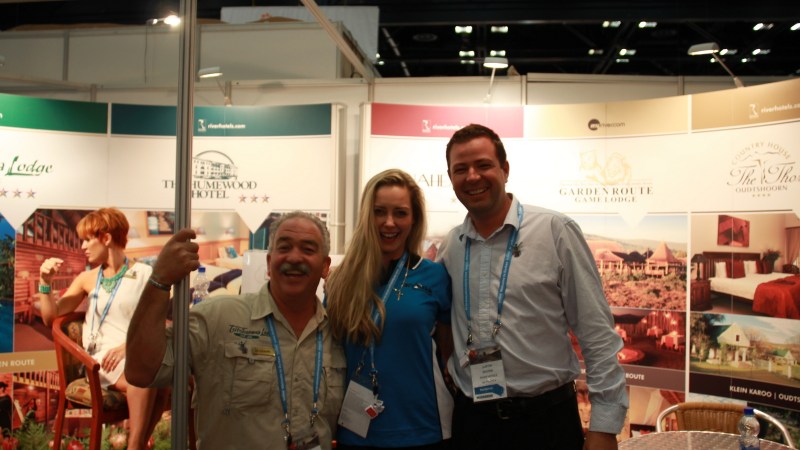
Check out the South African Travel Indaba video profile below!
Our related post on South African Township Tours.
Our related post on Filming the Indaba.


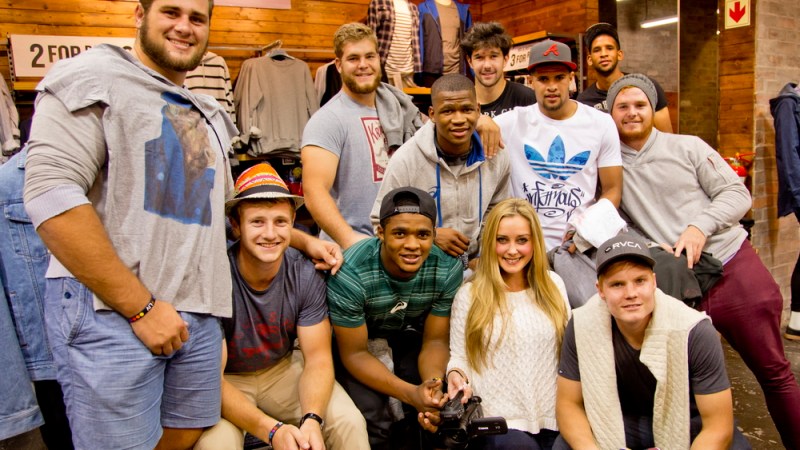
Skybok was recently at Canal Walk in Cape Town shooting a few members of the U20 South African Junior Rugby Squad as they received goodie bags from Cotton On + spent the evening picking out their favourite items.

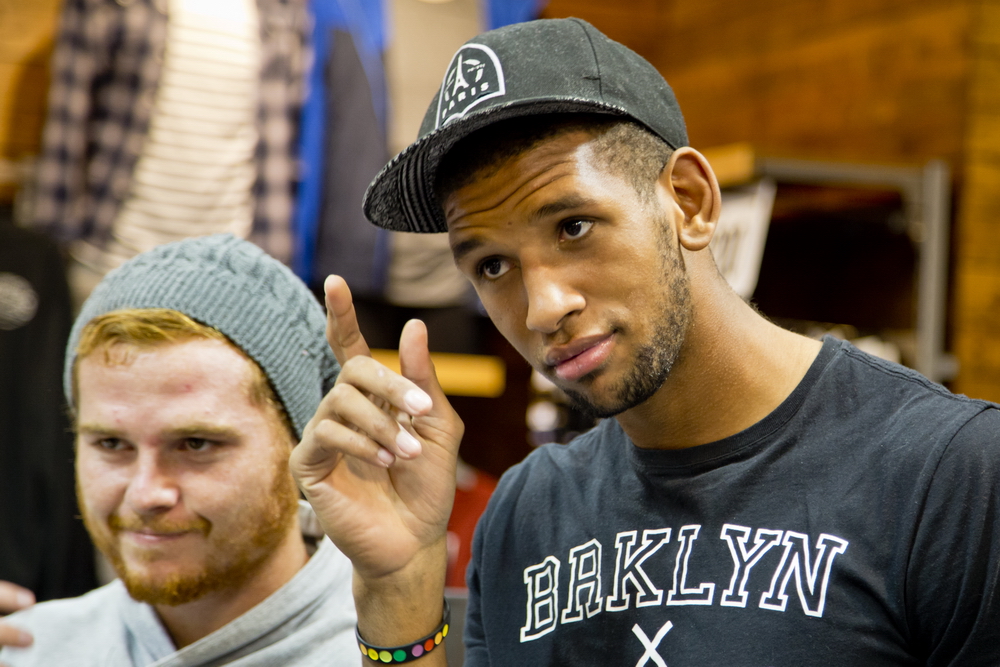
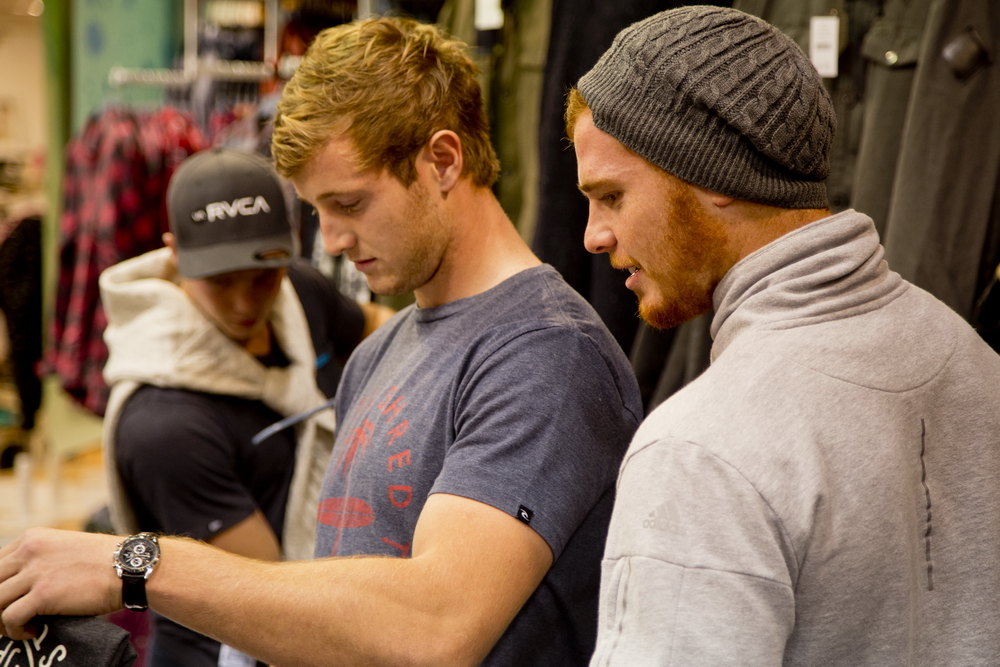




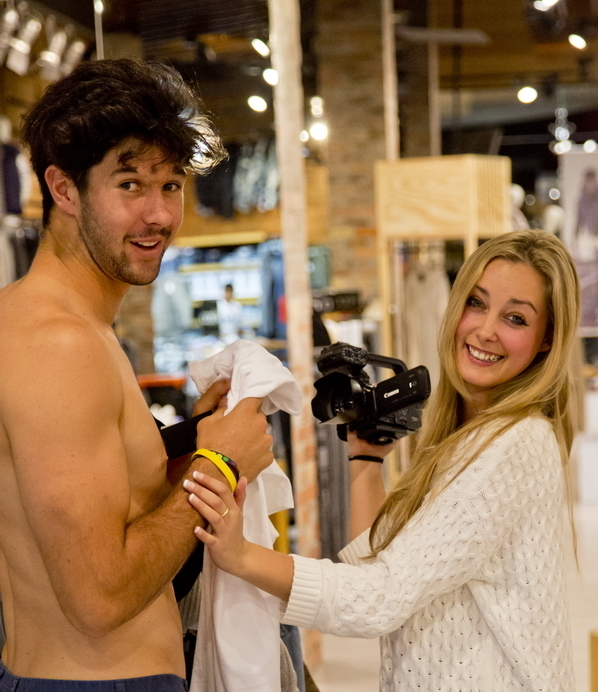
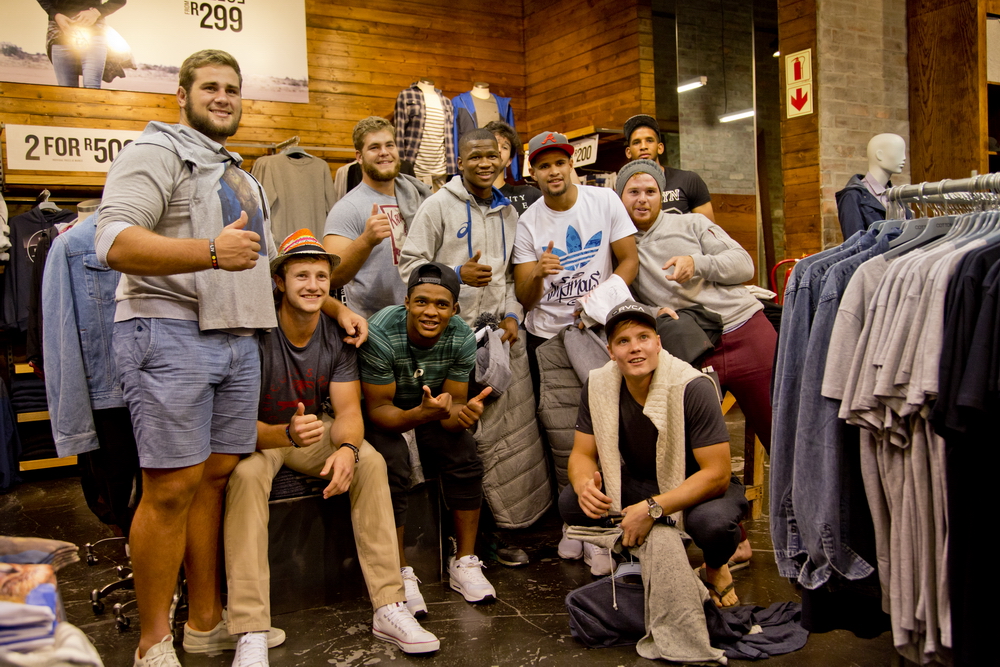
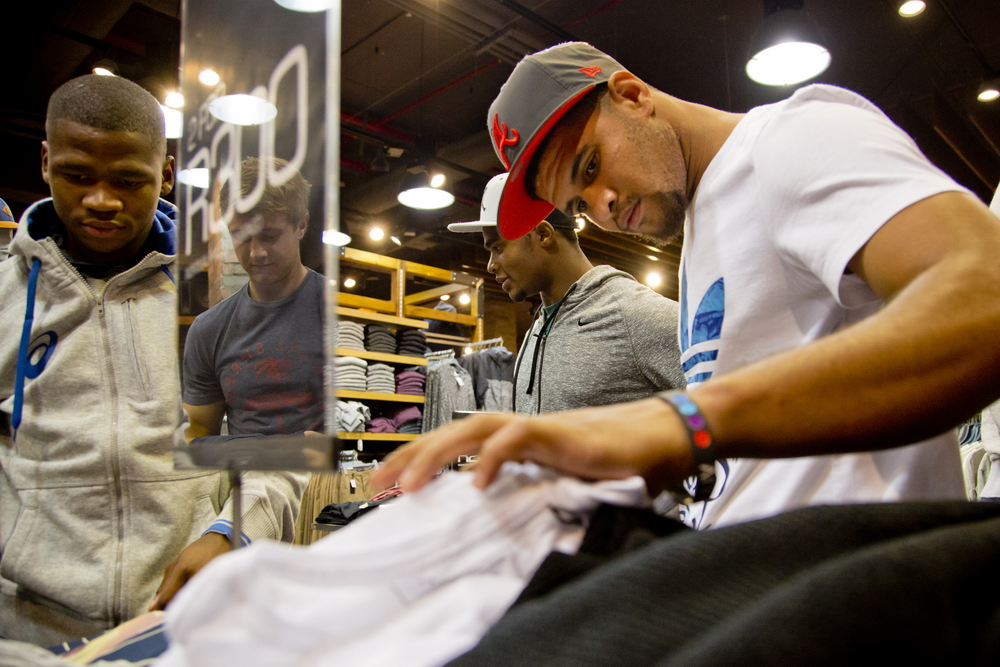
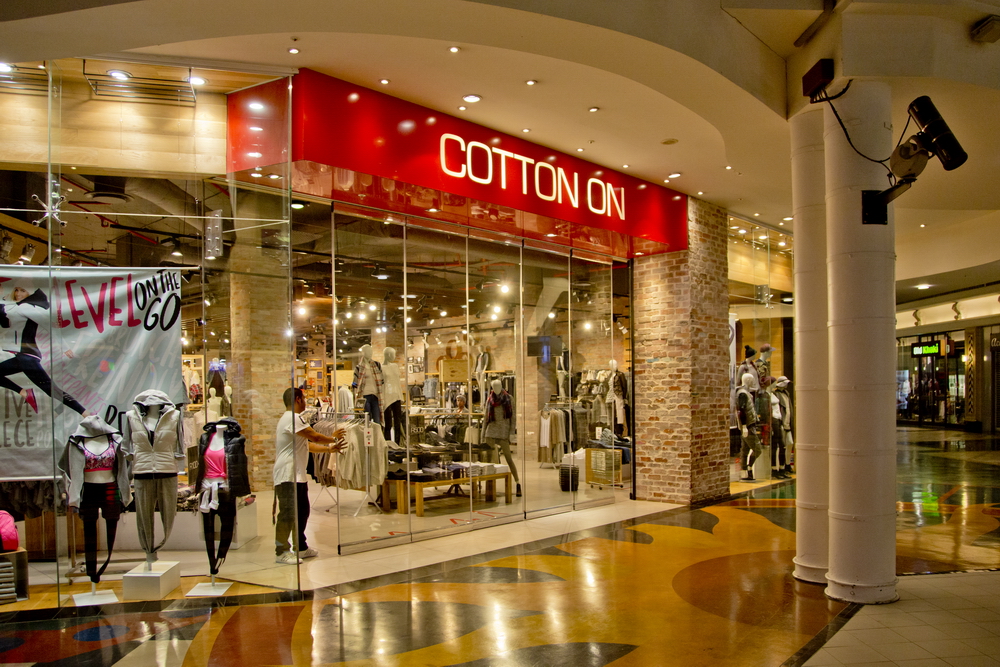

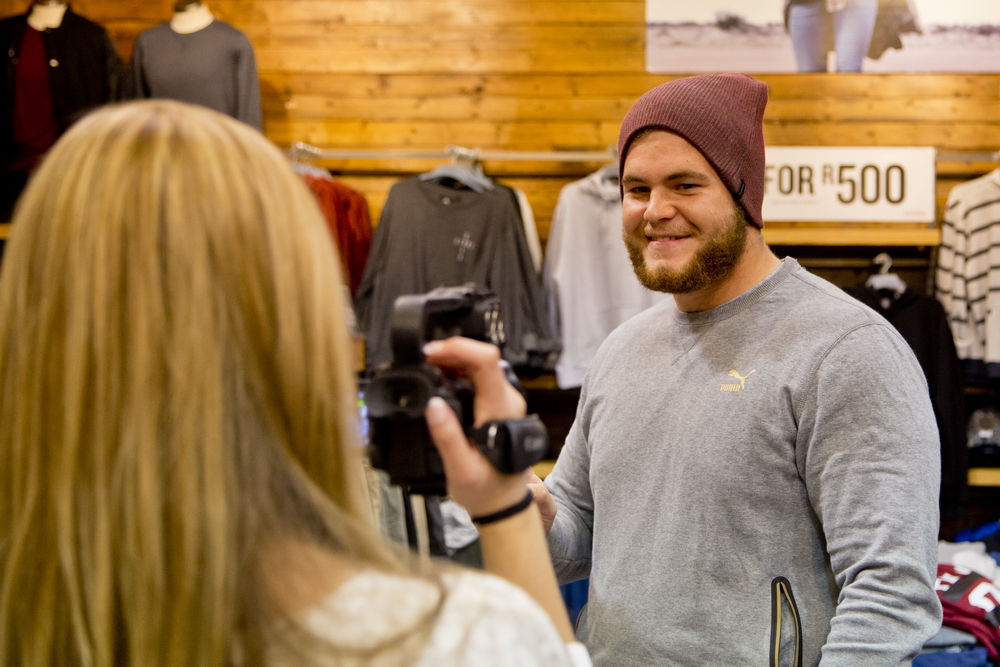

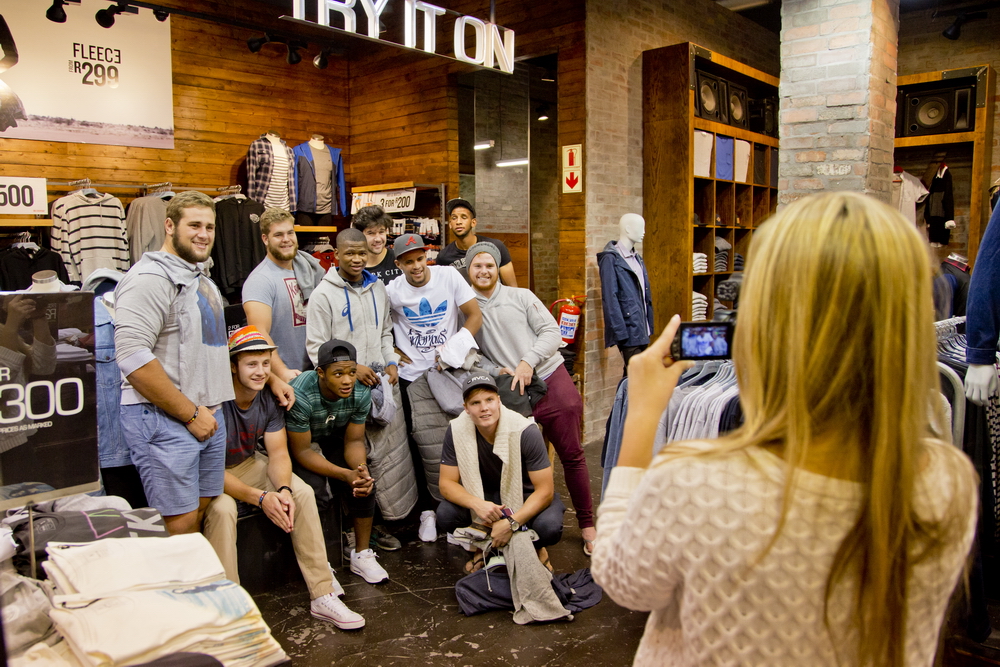

See all behind-the-scenes photos by Paul Sutton here.
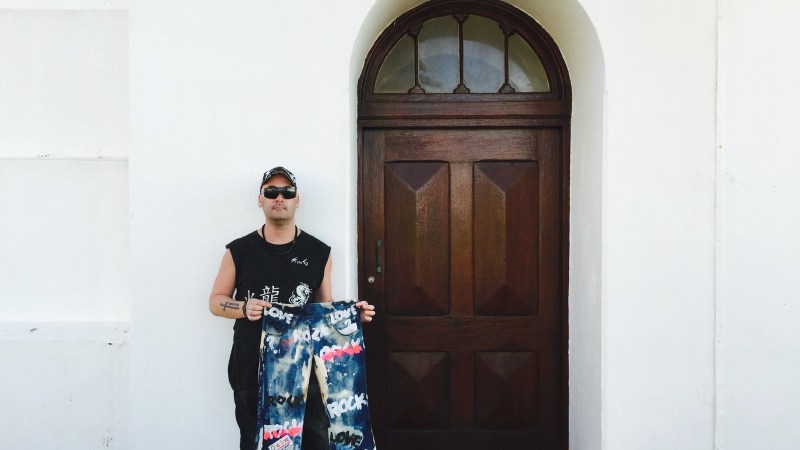
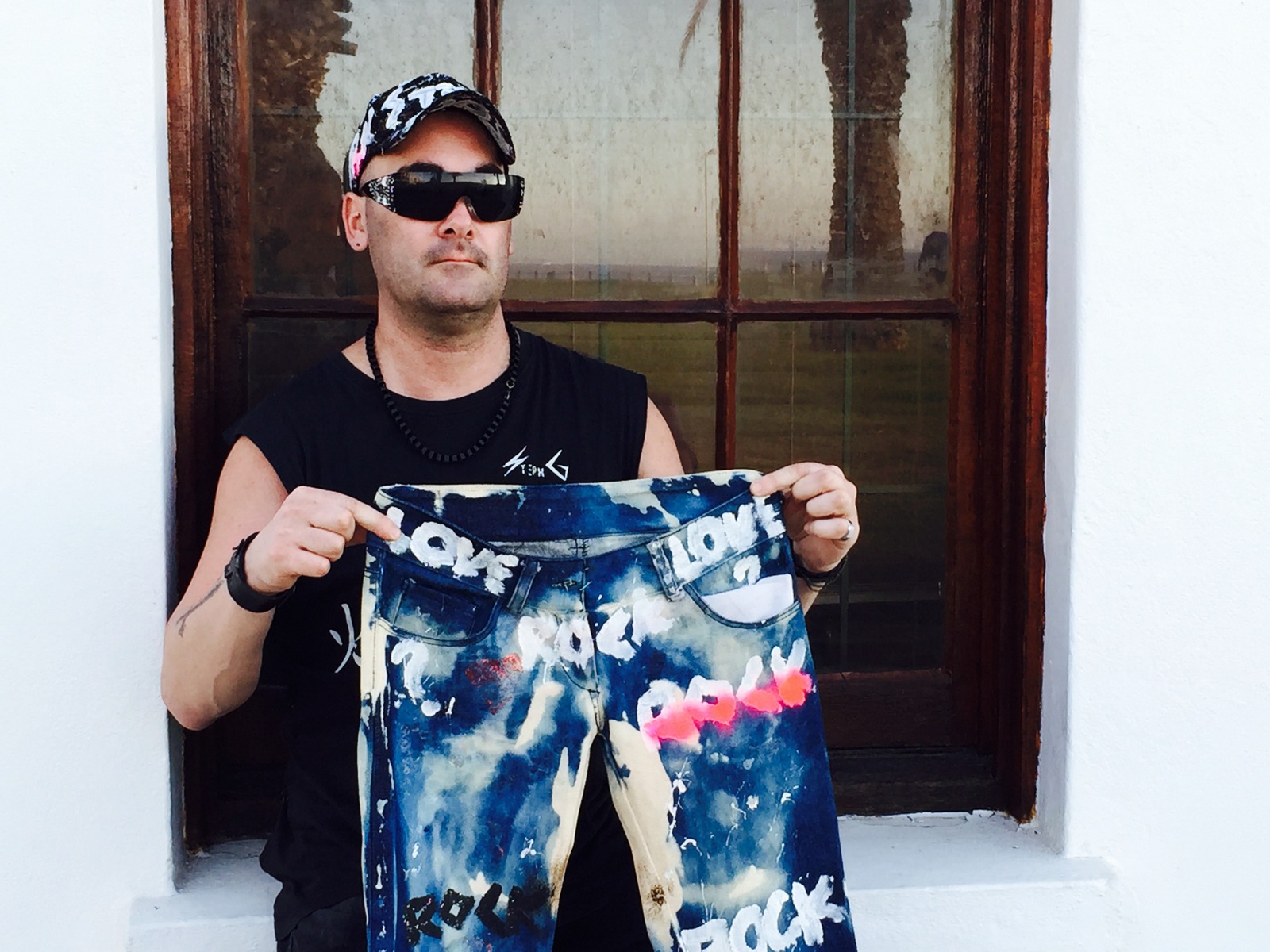
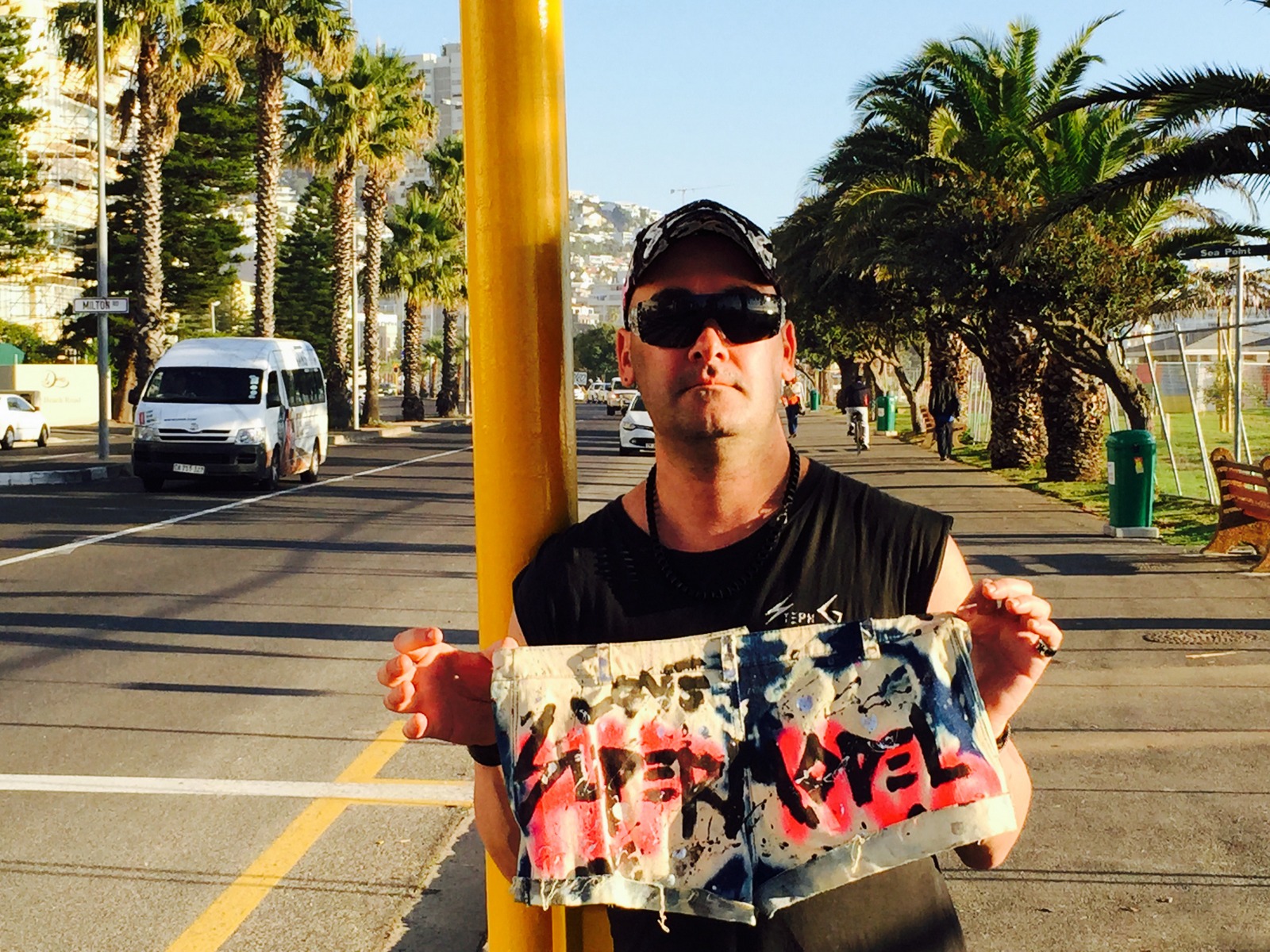
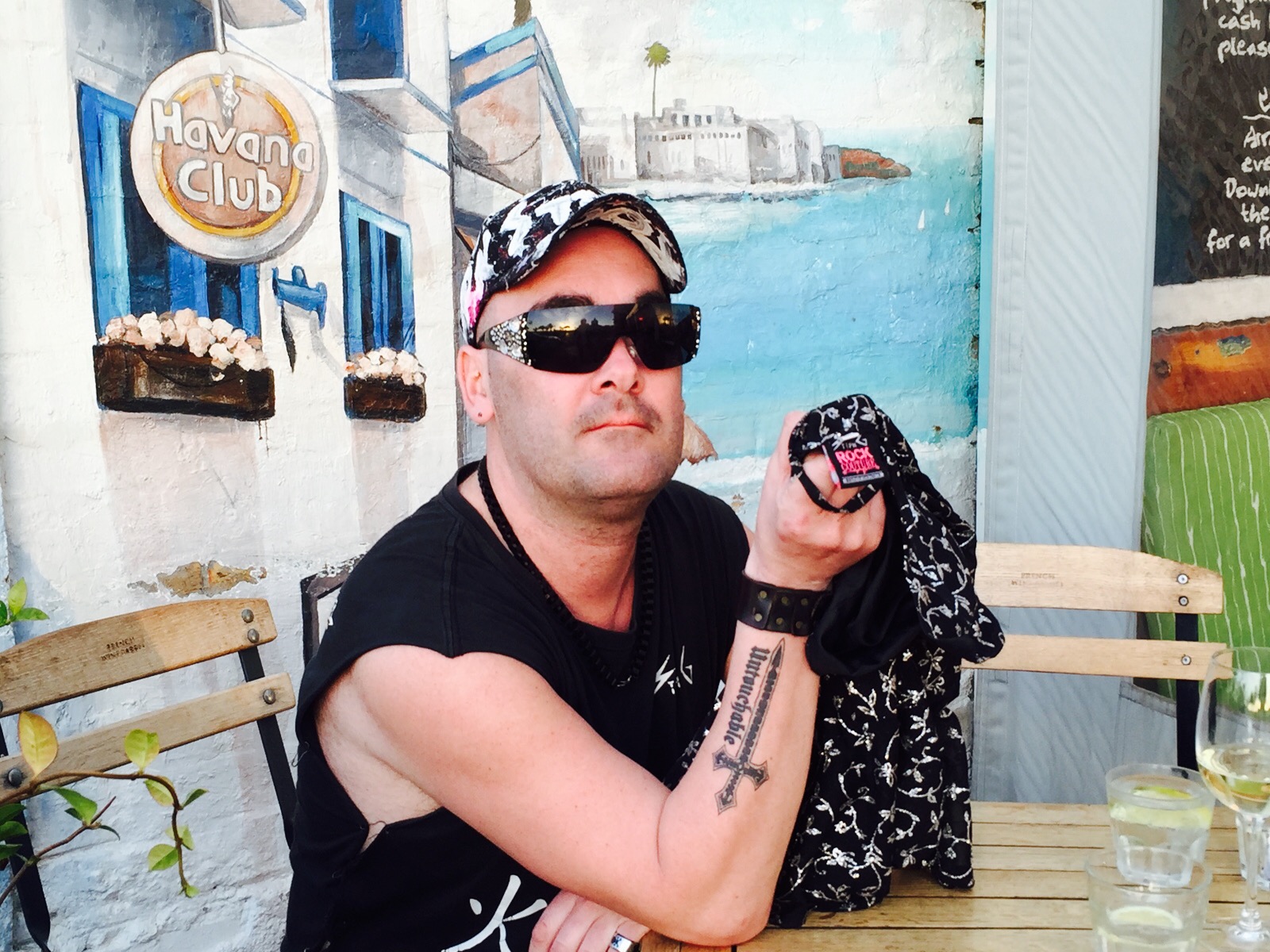
We shot the Skybok People Profile of Steph G this week – he is a talented designer in Cape Town, South Africa. Stay tuned for his Video Profile, up soon on our YouTube Channel! Get YOURS filmed today, from R3000 only! Tell your story with us. See our prices here.


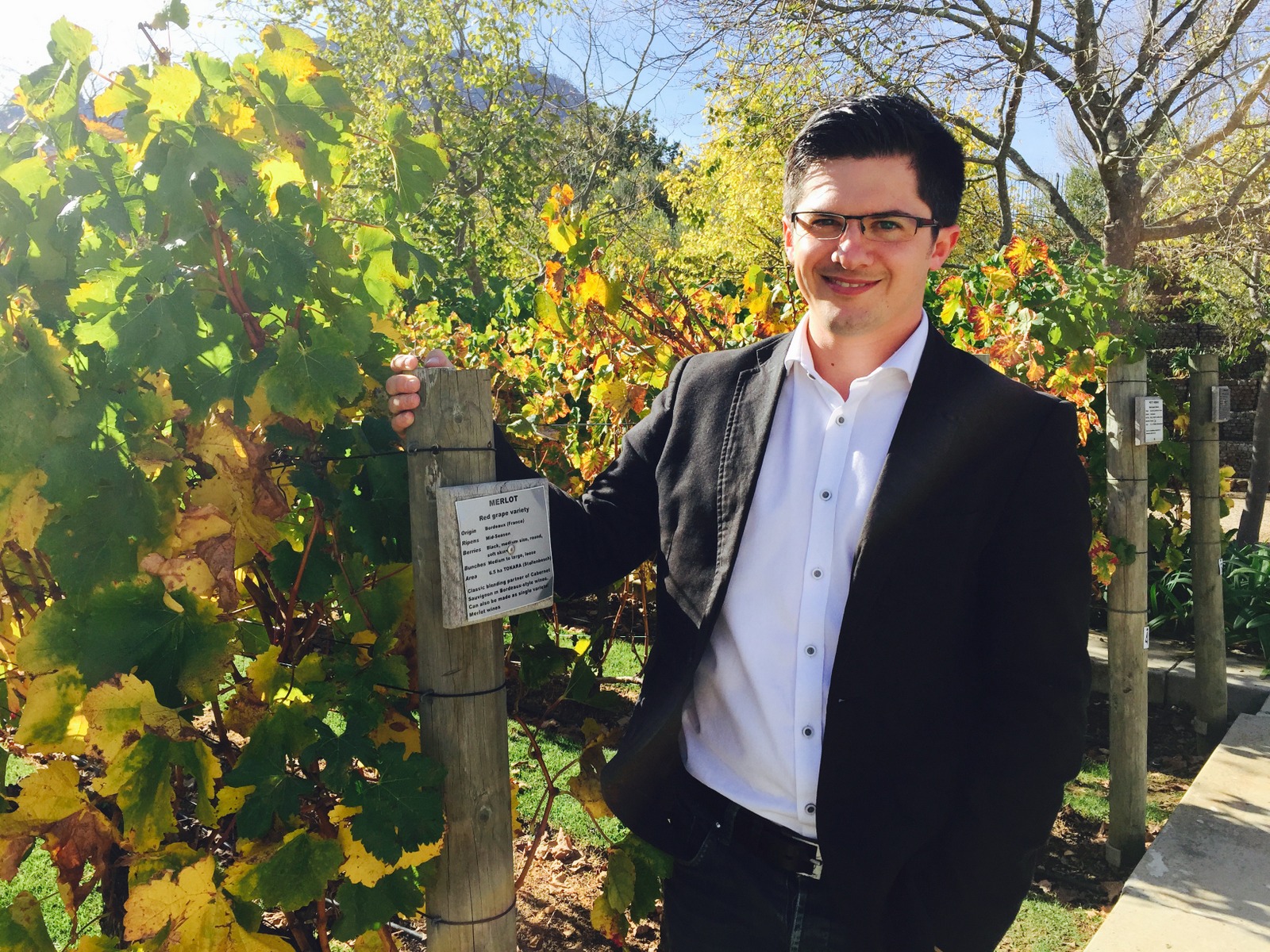
We shot the Skybok People Profile of Winand this week – he is a talented organist in Stellenbosch, South Africa. Stay tuned for his Video Profile, up soon on our YouTube Channel! Get YOURS filmed today, from R3000 only! Tell your story with us. See our prices here.




We shot the Skybok People Profile of Ferial this week – she is the WINNING designer from South Africa chosen to fly to Fashion Week Brooklyn in New York to show on the runway in June!! Here are some screengrabs of our shoot in Cape Town this week. More coming, along with her People Profile for Brooklyn Fashion Week! Join our community on Facebook, Youtube, Twitter, as well as Pinterest. On instagram, we are using hashtag #Skybok! *Photos taken on an iphone 6. For films taken on an iphone 6, click here.




“What important truth do few people agree with you on?” Answering this deceptively tricky question is the key to any future of progress—and to building a great business.
The dogmas created after the dot-com crash continue to haunt us today. The first step to thinking clearly is to question what we think we know about the past.
The most successful businesses share one key feature that enables them to innovate at unprecedented scale.
Competition isn’t just seen as a spur to productivity—for many, it’s a way of life. But what if it’s actually holding us back?
Short-term thinking ruins companies. The most important lesson an entrepreneur can learn is to think big but start small.
The same question lurks behind every success: was it luck or skill? But builders aren’t backward-looking; they adopt a more definite attitude and engineer a better future.
Apply it correctly, and one simple insight—almost everything is radically less equal than it appears—can change your life.
Every one of today’s most famous and familiar ideas was once unknown and unsuspected. Lots more secrets remain undiscovered; learn to find them and see your fortune rise.
The decisions you make today will govern what your business looks like years now. Every entrepreneur has to get a few things right from the start.
After PayPal, the “PayPal Mafia” created SpaceX, Tesla, LinkedIn, YouTube, Yammer, Palantir, and Yelp. The incredible story of that team will help you build yours.
The best product does not always win. Great products do not sell themselves. That’s up to you, and the problem is much stranger than it seems.
20 years ago, people feared cheap foreign labor; today, it’s replacement by robots. But the most successful entrepreneurs make products that help humans, not automate them away.
Clean energy is a hugely important sector—and to date it’s been a huge flop, as entrepreneurs neglected to answer the seven questions that every business must get right.
Founders are contradictory: revered and abhorred, powerful and weak. Just as we need founders in all their peculiarity, founders need to understand a few things to survive.
What will our society look like 20 years from now? 100? It’s up to us. We cannot take for granted that the future will be better, and that means we have to work to build it now.
That includes holy days. All-night coding sessions, missed meals + triple espressos are the order of the day.
To a customer, the “beta testing” label doesn’t mean much. If you keep making mistakes + your buttons don’t work + their password gets leaked, saying that you were “in beta” isn’t going to make them feel better – or stick around.
Badmouthing competitors sounds a little too much like gossip. “We’re very careful: we don’t talk about competitors, we don’t slag them, we don’t throw them under the bus,” says Dave Olson, VP Community at HootSuite. The point is to focus on building a better product. “We don’t compete against people; we compete against ourselves,” he explains.
If you have to compare yourself to Mark Zuckerberg, you probably shouldn’t be compared to Mark Zuckerberg. Brian Wong, the 21-year-old founder of Kiip, complains about this phenomenon: “This is giving birth to a generation, unfortunately, of extremely cocky, ego-driven young entrepreneurs that think that just because they’re young, they should be paid attention to,” he says.
“I am my own person, I am my own class of entrepreneur, and I will build a company without anybody asking me how I built it compared to someone else. I’m going to build it my way.”
Otherwise, your customers will be vengeful rather than forgiving masters. Social media has made business more + more transparent, so it’s hard to get away with apologies that don’t admit wrongdoing – “We are sorry if some were offended” – or apologies that skew the facts.
Zvi Band, the CEO of Contactually, recommends keeping in touch with current investors every 2 weeks + potential investors every week.
And while you may not always follow investors’ advice, show some respect + actually take it seriously. Even if they didn’t create your startup, they are helping it grow.
Holding out your hopes for a $1 billion acquisition like Instagram’s is foolhardy, to say the least. And even profit-hungry investors don’t want to hear about your acquisition fantasies. “If you show me a slide as an early-stage company that mentions your exit opportunities, and in 3 years you’ll sell to Google for that return to me, I’ll just laugh at you – but the laughing means you’re dead,” says Jeff Clavier of SoftTechVC.
In a recent scandal, one of WakeMate’s cofounders used the startup’s email list and Twitter account to promote his new product, MiLife+, and raise funds on Indiegogo. He claimed it was affiliated with WakeMate, but the other cofounder didn’t know anything about it. Here’s the full story. The Indiegogo project was eventually taken down due to the drama.
Closing down a startup may be a painful process + an admission of failure, but it frees you up to move on to the next exciting thing. “You got a lot of good guys running companies that are not doing well, when they could be joining forces and building a lot more value,” says Mohan Belani, the founder of Asian tech blog e27. “I call it a zombie. People don’t want to kill themselves.”
Virtuous choices including being a mentor or investor, opening an accelerator + donating pizzas to hungry entrepreneurs in your your community.
And that’s the way to startup heaven.
Thanks for this awesome article Tech.Co!

A lot of people are asking whether it’s possible to make good money offering freelance blogging services.
The answer in one short word is – yes.
But it’s important to remember that most of the successful freelance bloggers who have gone down this path, have only started making money after putting in a lot of effort + tons of hard work!
You can’t start blogging today + make money tomorrow – unless you’re a celebrity or have major connections in the blogging industry that will back you + make sure you get noticed.
For instance, Tom Ewer of Leaving Work Behind did this post recently at Daily Blog Tips aptly tiled ‘7 Lessons from a Full Time Freelance Blogger’. Not to be outdone, Oni of Young Prepro followed up with his story ‘4 Smart Ways to Get Freelance Clients from Your Blog’.
Another post that caught the eye; the post on Freelance Switch with the title ‘How to Become a Freelance Blogger’ by Leo Babauta. The Leo Babauta. I was still scratching my head until I noticed the words that the post originally appeared in 2007.
Ask yourself why you want to become a freelance blogger? Why not other forms of freelance writing?
+ You choose books or blogs over magazines and newspapers
+ You enjoy helping people market their services
+ You enjoy writing with a personal tone
+ Your own blog
+ To have spent some time – months – developing content worth referring your potential clients and readers to.
+ A niche. What sort of topics will you write about? If you intend to write for businesses in the health care sector, you could identify a niche and write about that. If you want to go after companies that sell software, your blog will naturally focus around those sorts of topics.
+ Some sort of a testimonials page. This could initially include a list of influential blogs where you have guest posted on. You could quote what the bloggers have said about you. By doing this, you’re not only providing clips (samples) for your work, you’re also establishing yourself as an expert. You’re saying to companies that you have the industry knowledge and you know what you are talking about.
+ Mentors.
+ An understanding of why businesses need blogs so you could offer consultancy service on top of your regular services.
You’ve done all the ground work, you’ve been blogging at a professional level for a while, you have your niche + great content on your site, you have guest posted on a few A-list blogs + you’ve set up a Hire Me/Contact me page with the necessary information. Now is the time to start approaching businesses.
Remember:
+ The only kind of business that can pay you well will have substantial marketing budget. Mom + pop operations, start-ups, one-person shows generally can’t afford to hire serious freelance bloggers.
+ You can demand higher rates if you’re a subject matter expert. Your niche will help here – tremendously.
+ Understand blogging as a marketing tool for businesses. Be prepared to educate them about thebenefits of blogging for business, if necessary. However, it works better if they already have a blog that needs regular content.
The steps are simple really:
Want us to help you out with setting up your blog? Get a quote now.

As a creative entrepreneur – artist, designer, actor, model, blogger, singer, freelance writer, editor, videographer, photographer (whatever it is you do) – there’ll be times you’re asked to work for free. Sometimes an offer of “exposure” is legit, but it’s up to you to vet every offer. As a business owner (your business being yourself), you’re tasked with sifting through all of the various “work for free” offers and ascertaining which ones are useless and which ones will lead to actual exposure for you and your brand. Exposure is good. We like exposure. Marketing leads to discovery which leads to business.
As you grow and your name gets bigger and bigger, people will begin to associate your name with certain positive or negative adjectives. These associations are not necessarily always because of what you do. Sometimes you make a name for yourself by just being in the presence of great (or sinister) people. So you need to monitor what brands you allow yourself to be associated with.
If the answer to all questions is yes, consider taking the offer and at the very least get all of your expenses covered. At most? Consider negotiating your way into a paid gig.

